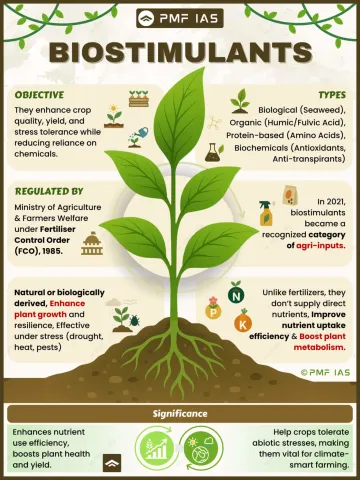

Biostimulants are substances or microorganisms applied to plants, seeds, or soil to stimulate natural processes and improve nutrient efficiency, stress tolerance, and crop quality.
Unlike traditional fertilizers or pesticides, they do not directly supply essential nutrients or kill pests. Instead, they act like a health booster or vitamins, helping plants better utilize nutrients already present in the environment.
How Biostimulants Work
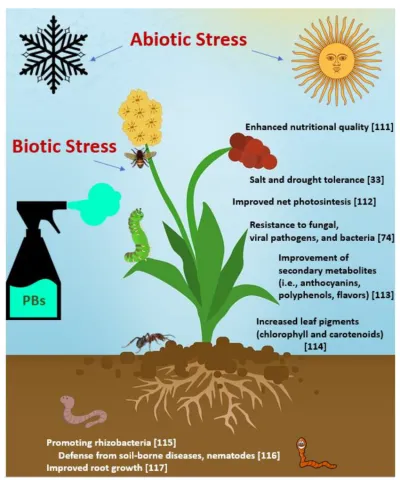
- Enhance nutrient uptake: They stimulate root growth and improve the soil's capacity to deliver nutrients.
- Boost stress tolerance: They help plants survive abiotic stresses like drought, extreme heat, or salty soil.
- Support soil microbes: They encourage beneficial bacteria and fungi in the root zone (rhizosphere).
Common Types of Biostimulants
- Seaweed and kelp extracts: Rich in natural hormones and amino acids that increase plant vigor.
- Humic and fulvic acids: Organic compounds that improve soil structure and nutrient availability.
- Beneficial microbes: Mycorrhizal fungi and plant growth-promoting bacteria that form helpful relationships with roots.
- Protein hydrolysates: Amino acid and peptide mixtures derived from plant or animal materials that support plant metabolism.
Q&As