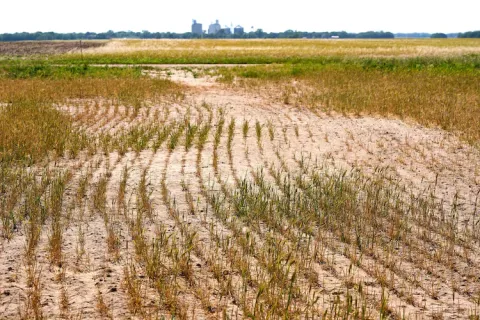
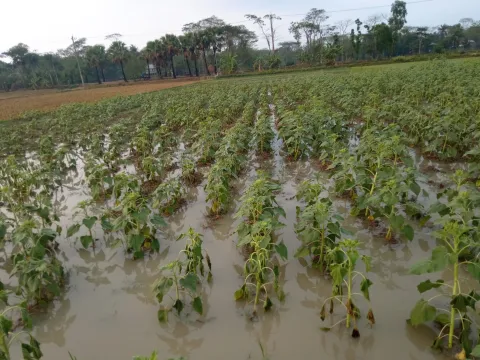
Tainan is known for its abundant sunshine, but it experienced more than 20 consecutive days of rain in August, leading to widespread plant death. Does this foreshadow an impending period of extreme climate change? The answer is yes.
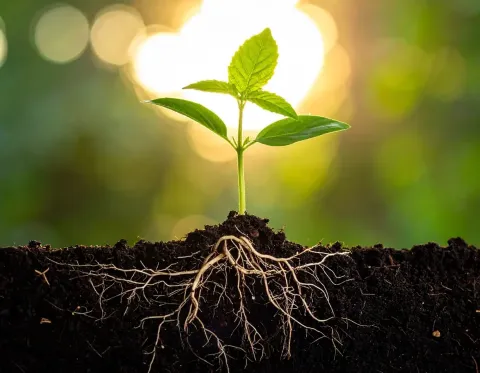
Biostimulants can significantly help plants survive and thrive under extreme weather conditions, including the prolonged rainfall experienced in Tainan, as well as drought and other major abiotic stresses. Unlike traditional fertilizers that directly provide nutrients, biostimulants work by unlocking a plant's inherent physiological potential, triggering defense mechanisms, and improving soil microbial ecosystems to withstand severe environmental pressures.
1. Mitigating Prolonged Rainfall & Waterlogging Stress
When plants face over 20 consecutive days of rainfall, the soil becomes completely saturated, causing root asphyxiation (waterlogging). Biostimulants help plants survive these conditions through several critical pathways:
- Regulating Stress Hormones: Excess water triggers a surge of ethylene in plants, which accelerates leaf wilting, chlorosis, and root decay. Microbial biostimulants, such as Plant Growth-Promoting Rhizobacteria (PGPR) containing ACC deaminase, actively break down ethylene precursors, protecting roots from drowning.
- Enhancing Cellular Oxygen Uptake: Certain organic biostimulants support internal metabolic pathways, allowing plants to maintain basic energy production and minimize toxic metabolite accumulation even under low-oxygen (hypoxic) conditions.
- Boosting Antioxidant Defenses: Saturated soils lead to an "oxidative burst," generating harmful reactive oxygen species (ROS) that destroy plant cells. Biostimulants stimulate the production of natural plant antioxidants (like catalase and superoxide dismutase) to scavenge these free radicals and protect plant tissues.
2. Enhancing Resilience Under Drought & Temperature Extremes
Biostimulants are heavily researched and highly effective at preparing crops and ornamental plants for the opposite extreme: water scarcity and high heat. They manage drought stress through:
How It Helps the Plant
- Osmotic Adjustment -- Promotes the accumulation of cellular osmolytes (like proline and glycine betaine), helping cells retain water even as the soil dries out.
- Root Architecture Transformation -- Substances like humic acids and amino acids accelerate root hair elongation and increase total root biomass, allowing plants to tap into deeper soil moisture reserves.
- Improved Water Use Efficiency -- Regulates stomatal gas exchange and minimizes unnecessary transpiration, helping the plant conserve its internal water budget.
Biostimulants are widely produced through both biotechnology and biochemical methods, utilizing advanced scientific processes to extract, isolate, or synthesize bioactive compounds that enhance plant growth, stress tolerance, and nutrient efficiency.
Therefore, providing high-quality biostimulants is our company's mission, which helps humanity cope with extreme climate change. Thank you.